

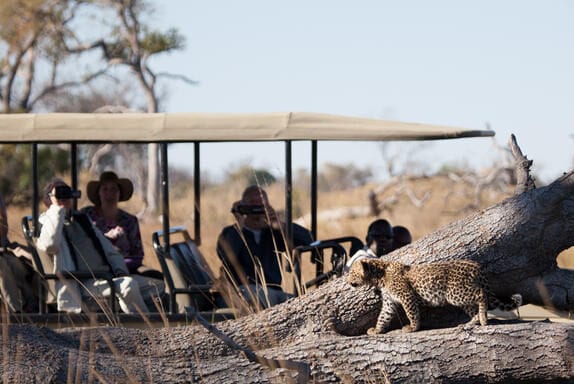
Many safari-goers arrive in Zimbabwe with a mental checklist of sightings: the heavy-set profile of a buffalo in the reeds, a lion pride lounging in the golden afternoon heat, or the quiet, massive presence of an elephant herd. While the “Big Five” are undoubtedly the stars of many safari holidays, focusing solely on these icons robs you of the true rhythm of the Zimbabwean wilderness.
To really understand this landscape, you have to look at how the animals, the terrain, and the seasons are connected across the vast national parks. Whether you’re navigating the teak forests of Hwange or the rugged slopes of Mana Pools, Zimbabwe offers a wildlife experience that is as much about the subtle patterns of nature as it is about the dramatic sightings.
Navigating the Giants of Hwange
Hwange National Park is Zimbabwe’s largest wildlife sanctuary. It’s home to one of the world’s largest concentrations of African elephants. However, the experience here goes beyond just seeing these savannah giants; it’s about watching their daily migrations between the waterholes that dot the Kalahari sands.
Experienced guides in Hwange will often point out the “elephant highways”, which are well-worn paths carved through the bush over decades of elephant explorations. By following these routes, travellers can observe how these social giants interact with each other, from the protective nature of matriarchs to the playful antics of calves.
Beyond the elephants, Hwange is also home to the rare African wild dog. Wild dogs operate in high-energy, coordinated packs and boast the highest hunt success rate. Observing their social structure and vocalisations lets you into the world of one of Africa’s most successful, and endangered, predators.
The Waterborne Rhythm of Mana Pools
Further north, the Zambezi River shapes a completely different environment in Mana Pools National Park. Here, the wildlife is defined by the water. Mana Pools is famous for its rare standing elephants. Over time, elephants in this region have learned to stand on their hind legs to reach the high branches of Albida trees.
Because Mana Pools allows for guided foot tracking, you’ll get to see wildlife from a whole new perspective. Instead of just looking at animals from a vehicle, you get to walk along the same ground as them. Taking time to watch a pod of hippos or tracking a leopard through riverine forests slows down the exploration pace a little. It puts you in a position where you’ll notice the alarm calls of birds and the subtle shift in the wind, skills that local guides use to anticipate movement before an animal even appears.
Reading the Landscape: Thickets, Ridges, and Plains
Zimbabwe’s wildlife shifts with the terrain. The country’s geography ranges from the granite hills of Matobo National Park, which also happens to be a prime location for both black and white rhinos, to the low-lying, baobab-studded plains of Gonarezhou.
In Matobo, the rocky outcrops provide the perfect vantage point for the world’s densest population of Verreaux’s eagles. Meanwhile, the towering red sandstone cliffs of Gonarezhou act as a natural fortress for wildlife, creating a sense of isolation and raw beauty that is hard to find in more commercial parks.
Understanding these habitats helps travellers appreciate why certain species thrive in specific corners of the country, from the klipspringers hopping across granite boulders to the majestic sable antelope that love the more wooded areas.
Seasonality and the Life-Giving Rains
Timing your visit is essential to ensure you experience the Zimbabwean safari of your dreams. During the dry season (June to October), wildlife is often found gathered around permanent water sources, making sightings frequent and predictable. This is the best time for those hoping to see high volumes of game wildlife within a short period.
On the contrary, the emerald season (November to April) brings the rains, transforming the landscape into a lush, vibrant green. While the thick vegetation makes spotting predators a bit more challenging, it is the ideal time for birdwatching and to witness the birth of new animals. Seeing a newborn zebra, impala or wildebeest taking its first steps against the backdrop of dramatic afternoon thunderstorms drawing in is a sight that rivals any predator encounter.
Why Look Closer at Zimbabwe’s Wilderness?
A safari in Zimbabwe amounts to more than just a collection of photographs on a phone. It’s a practical lesson in ecology and conservation. Many of the country’s parks have faced challenges with poaching and habitat loss, but the resilience of these ecosystems is a testament to the efforts of the local communities and rangers who are dedicated to their protection.
By moving beyond the wildlife sighting checklist and paying attention to the tracks in the dust, the height of the grass, and the expertise of the guides, the Zimbabwean bush reveals itself as a dynamic environment. It’s a place where the quiet moments, like watching an owl hunt at dusk or tracking the movement of a cheetah, are equally as rewarding as the iconic Big Five encounters.
Conclusion
Zimbabwe remains one of Africa’s most authentic safari destinations, offering a blend of raw wilderness and deep-rooted guiding knowledge. Whether you are exploring the vast plains of Hwange or the riverine paths of the Zambezi, the key to a successful visit is to fully embrace the rhythm of the land. By looking beyond the surface, you’ll discover an ecosystem that is connected, complex, and utterly unforgettable.
